
Our Projects
Real-world applications of the Mauri Compass framework, driving measurable cultural and environmental outcomes across Aotearoa. Explore some of our work below.
Ngāti Mutunga – A Landmark Court Victory
Ngāti Mutunga made history in 2024, winning an Environment Court case using the Mauri Compass — the first kaupapa Māori tool ever recognised in this forum.
Their assessments showed severe degradation of their awa, leading to a rāhui and ultimately a precedent-setting decision to protect the mauri of waterways. This victory demonstrates the power of combining traditional knowledge with rigorous assessment frameworks.
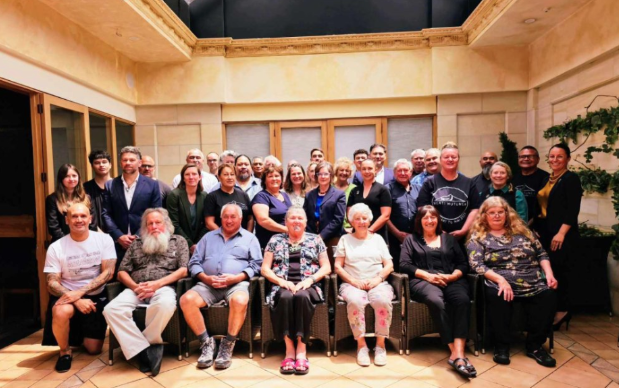
Proven in Award-Winning Farming Operations
Over three consecutive years, recipients of the Ahuwhenua Trophy — New Zealand’s most recognised award for Māori farming excellence — have integrated the Mauri Compass into their farm management.
These examples show how the framework can be applied across diverse farming systems to achieve measurable cultural, environmental, and regulatory outcomes, proving that economic success and environmental stewardship go hand in hand.

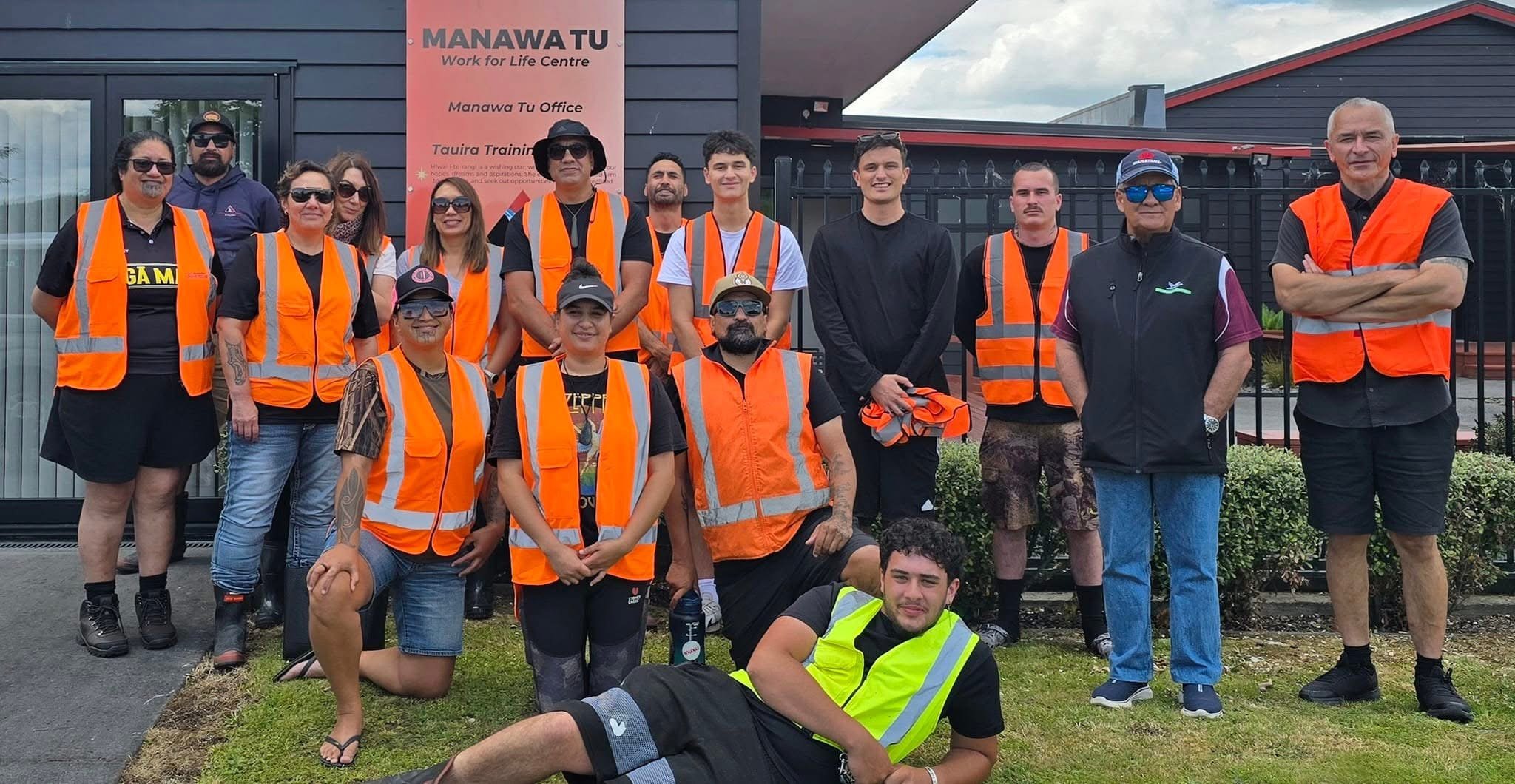
Ngāti Manawa: Tikanga-Informed Assessment
Ngāti Manawa trained and used the Mauri Compass to apply a tikanga-informed, evidence-based assessment framework across freshwater and hydroelectric landscapes within their rohe.
This mahi supports Ngāti Manawa to clearly articulate cultural and environmental values, track changes in mauri over time, and strengthen decision-making through defensible, place-based evidence grounded in mātauranga Māori and environmental science.
Teaching Tomorrow's Scientists Today
Students from Te Kura o Torere (ages 6-8) are learning to become the next generation of environmental guardians. Through hands-on field surveys, these young kaitiaki are connecting with their ancestral lands, learning traditional knowledge, and using modern science to protect their waterways and ecosystems.
Their learning is deeply practical and place-based, ranging from monitoring water quality and observing wildlife to applying Maramataka knowledge alongside iwi elders. By actively documenting the health of their estuary, river, and coastal environments, they demonstrate that age is no barrier to making a significant impact.
